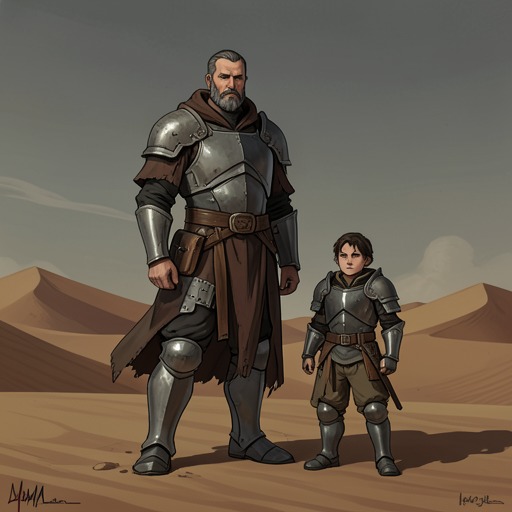
Tas Takas overthrew Tar Hajuks
A Princess of MarsTars Tarkas’s overthrow of Tal Hajus is a transfer of power made in public, under the Tharks’ own customary test of fitness. John Carter turns the council’s demand for justice into a challenge to Tal Hajus’s authority; when the chieftains order a duel, Tars Tarkas kills the jeddak and takes his place. The victory changes not only who rules but also the political opening available to Carter, who promptly seeks Thark support against Zodanga.
Background and Setting
The confrontation takes place in the jeddak’s palace after Carter and Tars Tarkas arrive before Tal Hajus and the assembled council. Tal Hajus is waiting on his platform, glaring toward the entrance, and responds to Carter’s arrival with an order to strap him to a pillar. He threatens to burn Carter’s eyes with heated irons, presenting the captive as an object to punish rather than a person entitled to speak.
The immediate balance of power, however, has been unsettled by the day’s fighting. Carter reminds the chieftains that he has been a chief among them and has fought beside their greatest warrior. He argues that these deeds have earned him a hearing. His appeal places the council’s own claim to justice against Tal Hajus’s attempt to silence him by force.
Carter’s Challenge to the Jeddak
Carter does not confine his case to his personal right to be heard. He challenges Tal Hajus’s fitness to lead a people who prize bravery: Tal Hajus was absent from the fighting, Carter says, while he has been seen attacking defenseless women and children. Carter then contrasts this conduct with Tars Tarkas, whom he presents as a great warrior and noble man, and asks the chieftains to recognize him as jeddak.
The accusation is sharpened by a reversal of scale and authority. Carter calls himself a midget beside Tal Hajus, yet says that one blow of his fist felled the jeddak. He uses that humiliation, together with Tal Hajus’s absence from battle, to recast the ruler’s apparent strength as cowardice. The argument is a political action as much as a speech: Carter invites the council to judge its leader by the standards Tal Hajus has failed to meet.
Tal Hajus orders Carter gagged and bound, but Lorquas Ptomel intervenes in the name of the Tharks’ ancient customs. A dozen voices echo the demand for justice, and the council allows Carter to continue. When Lorquas asks whether Tal Hajus will prove his fitness to rule over Tars Tarkas, the twenty chieftains around the rostrum raise their swords in assent. Their response converts Carter’s challenge into an official decree.
The Duel and Change of Rule
With the decree final and no alternative before him, Tal Hajus draws his long-sword and advances to meet Tars Tarkas. The duel is brief. Tars Tarkas kills him, and the new ruler’s position is established in the stark image of his foot upon the dead jeddak’s neck. The contest makes leadership depend on the very combat by which the council has required Tal Hajus to defend it.
The succession is therefore neither a private revenge nor a coup carried out beyond Thark custom. Carter’s denunciation sets the challenge in motion, but the chieftains’ sword-raised assent gives it collective authority, and Tars Tarkas completes the transfer in combat. Tal Hajus’s commands at the palace entrance—binding Carter and burning his eyes—give way to a public test he cannot refuse and a death that ends his rule.
Aftermath and Political Consequences
Tars Tarkas’s first act as jeddak is to make Carter a full-fledged chieftain, with the rank Carter had earned through his combats during the first weeks of his captivity. The new status recognizes those earlier feats and formalizes Carter’s position among the Tharks. It also follows directly from the council scene: Carter had defended his claim to a hearing by pointing to his service and combat record, and the new ruler now confirms his standing.
Carter sees that the warriors’ favorable disposition toward both Tars Tarkas and himself creates an opportunity. He takes it by enlisting them in his cause against Zodanga. He tells Tars Tarkas the story of his adventures and explains his plan, extending the consequences of the succession beyond the palace and toward a wider political struggle. The episode thus links a change in Thark leadership to Carter’s attempt to turn personal standing into an alliance.